Trying to choose your first home in Goleta but not sure which neighborhood fits your life best? You are not alone. Between UCSB energy, coastal trails, and quiet suburban streets, the options can feel overwhelming. This guide breaks down Goleta’s neighborhoods by lifestyle, explains condo and HOA basics, and highlights key risks and logistics so you can move forward with confidence. Let’s dive in.
Start with your lifestyle and daily rhythm
Your best neighborhood match comes down to what you value most day to day. Think about your commute to UCSB, local business parks along Hollister and Calle Real, or Highway 101. Consider how often you want beach time at Ellwood Mesa and Goleta Beach compared with easy access to shops, groceries, and transit.
Use these decision points to narrow your search:
- Proximity to UCSB and Isla Vista vs quieter streets and family-friendly feel.
- Coastal access and outdoor lifestyle vs suburban convenience and yard space.
- Condo HOA rules and dues, especially for first-time buyers.
- Commute patterns to 101, Santa Barbara, and local employers.
- Short-term rental rules and investor concentration if you plan to rent.
- Natural hazard and maintenance risks, including wildfire, flood, bluff erosion, and earthquakes.
Neighborhood snapshots by lifestyle
Coastal neighborhoods: Ellwood and Goleta Beach corridor
If you want easy access to beaches, coastal parks, and bluff-top trails, focus here. You will see low-rise garden-style condos, townhomes, and some single-family homes closer to the shore. Many buildings are older but often updated.
What this means for you:
- Best fit if you want to walk, bike, or run along Ellwood Mesa and spend weekends at Goleta Beach County Park.
- Expect more exposure to salt air and potential bluff erosion. Plan for diligent maintenance and to review coastal hazard info.
- Summer visitor traffic can affect parking and commuting near beach access points.
University-adjacent and Isla Vista edge
Living near UCSB offers walkability, bike access, and strong rental demand. Housing includes apartments, small garden condo complexes, and shared houses. Many units are investor-owned, with higher turnover.
What this means for you:
- Great if you work or study at UCSB and want to live close. Expect more activity, nightlife, and frequent move-ins.
- Review rental rules and short-term rental enforcement if you plan to rent your unit.
- Investor concentration can affect lending options and resale dynamics.
Old Town and the Calle Real corridor
These areas mix residential and commercial zones near everyday services, groceries, restaurants, and transit routes. Expect small condo complexes, townhomes, and older single-family homes.
What this means for you:
- Convenient daily living with good access to bus lines and local amenities.
- Practical choice if you work in nearby business parks.
- Trade-offs include potential traffic noise and more commercial activity.
Suburban and foothill communities north of 101
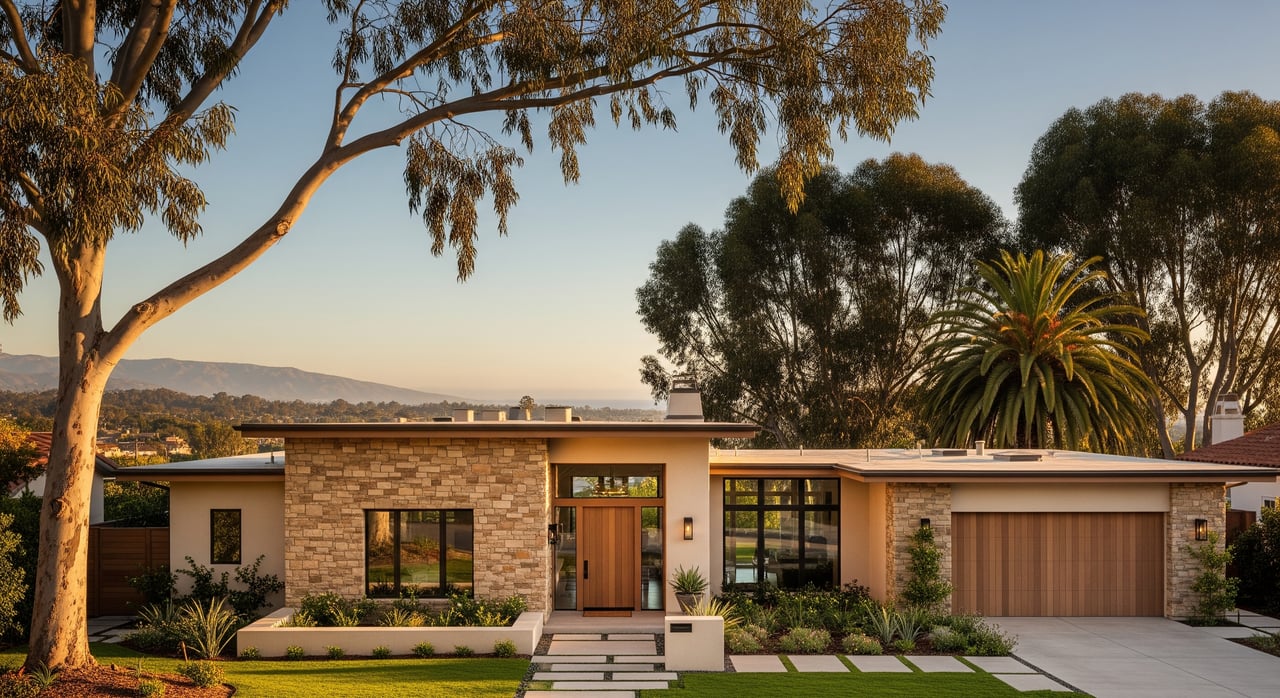
If you want more space and quieter streets, head toward Glen Annie and newer planned subdivisions in the foothills. You will find townhouses and detached homes, with some master-planned features like parks or a golf course nearby.
What this means for you:
- Ideal for buyers who want a yard, views, and a calmer pace.
- Longer walk or ride to beaches and UCSB, so plan on driving for most trips.
- Single-family homes can carry higher prices per square foot, so align expectations with your budget.
Housing near business parks and industrial nodes
Neighborhoods near Hollister and Calle Real are close to tech and aerospace employers. Housing often includes mid-century condo complexes, townhomes, and small-lot single-family homes.
What this means for you:
- Short commute and easy access to daily needs.
- Settings may feel more practical than scenic, with occasional warehouse or industrial traffic.
- A good fit if convenience outweighs coastal proximity.
Condo community types explained
Most Goleta condos are low-rise, garden-style buildings around courtyards and surface parking. You will also see townhouse-style units with private entries and small yards or garages. Some associations are small and simple, while others span multiple buildings with more amenities.
Financing and resale considerations:
- Project approval matters. Many loan programs review the entire condo project’s financial health and owner-occupancy ratio. Ask your lender early whether a complex is approved.
- HOA size is a trade-off. Smaller HOAs can be nimble but may have limited reserves. Larger HOAs spread costs but can face complex governance or litigation.
- Older buildings deserve extra scrutiny. Many complexes date to the mid-to-late 20th century. Pay attention to seismic updates, roofs, plumbing, decks, and siding.
HOA rules and what to review
In California, HOAs operate under the Davis-Stirling Common Interest Development Act. As a buyer, you have the right to review key documents before you remove contingencies. The goal is to understand the community’s financial health, rules, and upcoming costs.
Your HOA review checklist:
- CC&Rs, bylaws, recent board meeting minutes, current budget, latest reserve study, and insurance certificates.
- Any special assessments, recent or pending, and the reason for them.
- Litigation history and status.
- Rental restrictions, including minimum lease terms and any rental caps.
- Short-term rental rules if you plan to host stays.
- Parking assignments, guest parking rules, and pet policies.
- Owner-occupancy percentage and how it impacts financing.
- Status of major components like roofs, siding, plumbing, and decks.
HOA dues vary widely based on services. In Goleta, you can find modest fees in simpler garden-style projects and higher dues in full-service complexes. Verify what dues cover, such as exterior insurance, water, trash, landscaping, roof maintenance, and any amenities.
Financing and insurance basics for first-time condo buyers
Condos come with added lender reviews. Some programs, including FHA and VA, require the project to meet criteria like adequate reserves, limited delinquency, and acceptable insurance coverage. Even with conventional loans, high investor concentration or weak reserves can affect your terms.
Insurance realities to know:
- HOA master policy vs HO-6. The association’s master policy covers common areas and sometimes portions of the structure. You will need an HO-6 policy for interior finishes, personal property, liability, and loss assessment. Earthquake coverage is typically a separate policy in California.
- Coastal and flood exposure. If you are shopping near beaches or bluffs, check flood and tsunami considerations and the potential need for additional coverage.
- Reserve strength matters. Lenders and buyers take note of reserve studies, special assessment history, and upcoming repairs.
Taxes and special assessments:
- Property taxes follow California rules, with a base rate and supplemental assessments based on your purchase price.
- Some newer planned developments may include special taxes. Confirm whether Mello-Roos or similar district fees apply before you make an offer.
Daily life: commute, transit, parks, and schools
Commuting is straightforward if you live near Hollister, Calle Real, or the 101 corridor. The Santa Barbara Metropolitan Transit District connects many Goleta neighborhoods with UCSB and Santa Barbara, and the area is bike-friendly, especially near campus.
For outdoor time, you are close to Ellwood Mesa’s trails and Goleta Beach County Park, plus foothill hiking in the nearby Santa Ynez range. If you enjoy weekend surfing, bird or monarch butterfly viewing, or sunset walks, the coastal neighborhoods shine.
School boundaries can shift, and multiple districts serve Goleta. Always verify current school assignments with the appropriate district. Use neutral comparisons when evaluating schools and focus on your family’s needs and logistics.
Risk and due diligence checklist
Natural hazards to consider:
- Wildfire and embers. Foothill and open-space edges can face higher wildfire risk. Review defensible space and hazard maps as part of your research.
- Bluff erosion and coastal hazards. If you are shopping near the bluffs, ask about erosion trends, setbacks, and local coastal rules that affect improvements.
- Flood and tsunami. Review flood maps and tsunami considerations for low-lying coastal areas.
- Earthquake. Statewide risk in California makes earthquake planning and insurance worth a discussion.
Building and community health:
- Older low-rise condo issues. Siding, roofing, decks, plumbing, and seismic anchoring are common focus areas in inspections.
- Governance and litigation. Board turnover, lawsuits, and frequent special assessments can point to management or funding challenges.
- Resale and liquidity. Projects with high investor concentration may see more volatility. Owner-occupied communities can offer steadier demand.
Smart next steps for first-time buyers
- Define your top two priorities. For example, walkable to UCSB and beach access, or quiet streets and a yard.
- Get pre-approved and ask your lender about condo project approval requirements.
- Preview a mix of neighborhoods. Visit coastal, university-adjacent, and foothill areas to feel the differences at different times of day.
- Scrutinize HOA documents. Look for reserves, maintenance plans, insurance coverage, rental rules, and assessments.
- Plan your inspections. Choose inspectors familiar with local building ages and common issues.
- Budget for surprises. Set aside funds for special assessments, insurance adjustments, and upgrades.
If you want local guidance and a smooth, step-by-step plan from search to keys in hand, reach out to Cheylin Mackahan for concierge, neighborhood-savvy representation. Let’s Connect.
FAQs
How do Goleta’s coastal neighborhoods compare to inland areas for first-time buyers?
- Coastal spots offer beach and trail access with older buildings and salt-air maintenance, while inland foothill areas trade surf access for quieter streets and more space.
What condo styles are most common in Goleta and how do they differ?
- You will see garden-style low-rise condos and townhouse-style units. Townhouses usually have private entries or small yards, while garden-style units center around shared courtyards.
How much do HOA dues cover in Goleta condo communities?
- Dues vary by project. They often include common area upkeep, exterior building insurance, water or trash, and sometimes roof or amenity maintenance. Always verify inclusions.
What HOA documents should I review before removing contingencies?
- Request CC&Rs, bylaws, board minutes, current budget, reserve study, insurance certificates, and details on any special assessments or litigation.
Can I use FHA or VA financing for a Goleta condo purchase?
- It depends on project eligibility and financial health. Ask your lender early to check whether the condo complex meets the program’s approval criteria.
Are short-term rentals allowed in Goleta neighborhoods near UCSB and the coast?
- Rules vary by city and county areas. Expect registration or permitting requirements and enforcement. Confirm current policies for the specific address.
What natural hazards should first-time buyers research in Goleta?
- Focus on wildfire exposure near foothills, bluff erosion and coastal hazards near the shore, flood and tsunami considerations, and earthquake risk across the region.
How walkable and bike-friendly is the UCSB area for daily commuting?
- The UCSB area is very bike-friendly, and several Goleta neighborhoods connect to campus and Santa Barbara by transit. Expect active pedestrian and bike traffic near campus.
How do I confirm which schools serve a specific Goleta property?
- School boundaries can change. Contact the relevant district and review current boundary maps for the exact property address.