Santa Barbara Home Sale Prep Timeline & Checklist
March 5, 2026
March 5, 2026
Selling in Santa Barbara starts long before your home hits the MLS. You want a clear plan, the right vendors lined up, and confidence that you are checking every local box. With the right timeline, you can avoid surprises, attract better offers, and move on your schedule.
This guide walks you through a week-by-week listing prep plan tailored to Santa Barbara. You will see what to do first, what can wait, and where local rules and weather come into play. Let’s dive in.
You decide to sell and hire your agent. In the first few days, your agent prepares a comparative market analysis, a launch strategy, and a scoped work plan with timing. In spring and early summer, stagers and photographers book up, so get preferred dates on the calendar early.
Santa Barbara buyers value move-in readiness, clean system reports, and strong photos, including outdoor living spaces. Set your prep plan to highlight those buyer priorities and to time your market debut for the best visibility. For seasonality and buyer expectations, you can plan around the common patterns outlined by consumer guides like Bankrate’s overview of selling timelines and prep.
Pre-listing general inspections and a termite (WDO) inspection help you spot issues early and reduce escrow renegotiations. Most general inspection reports arrive within a few days of the site visit. If the termite report lists Section 1 items, allow time to treat or repair them before photos when possible.
Complete key disclosures early to avoid buyer rescission windows later. In California, most 1–4 unit residential sales require a Transfer Disclosure Statement (TDS), which should be delivered to buyers as soon as practicable. Review timing and delivery with your agent, and reference the statutory framework in the California Civil Code sections governing the TDS.
Order a Natural Hazard Disclosure (NHD) so buyers understand whether the property lies in mapped hazard areas such as flood, earthquake fault, or very high fire hazard zones. Many sellers use third-party providers for the statutory form described in NHD program overviews.
If your home was built before 1978, be ready with the standard federal lead-based paint disclosure. Also confirm safety items required by California Health & Safety Code, including smoke alarms, carbon monoxide detectors where applicable, and water-heater bracing. These are simple but important compliance steps you can verify using the state Health & Safety Code requirements.
With inspection feedback in hand, you and your agent will prioritize quick wins. Minor paint, light plumbing or electrical fixes, and handyman items often fit in a 3–14 day window depending on crew availability. Deep cleaning and decluttering are musts.
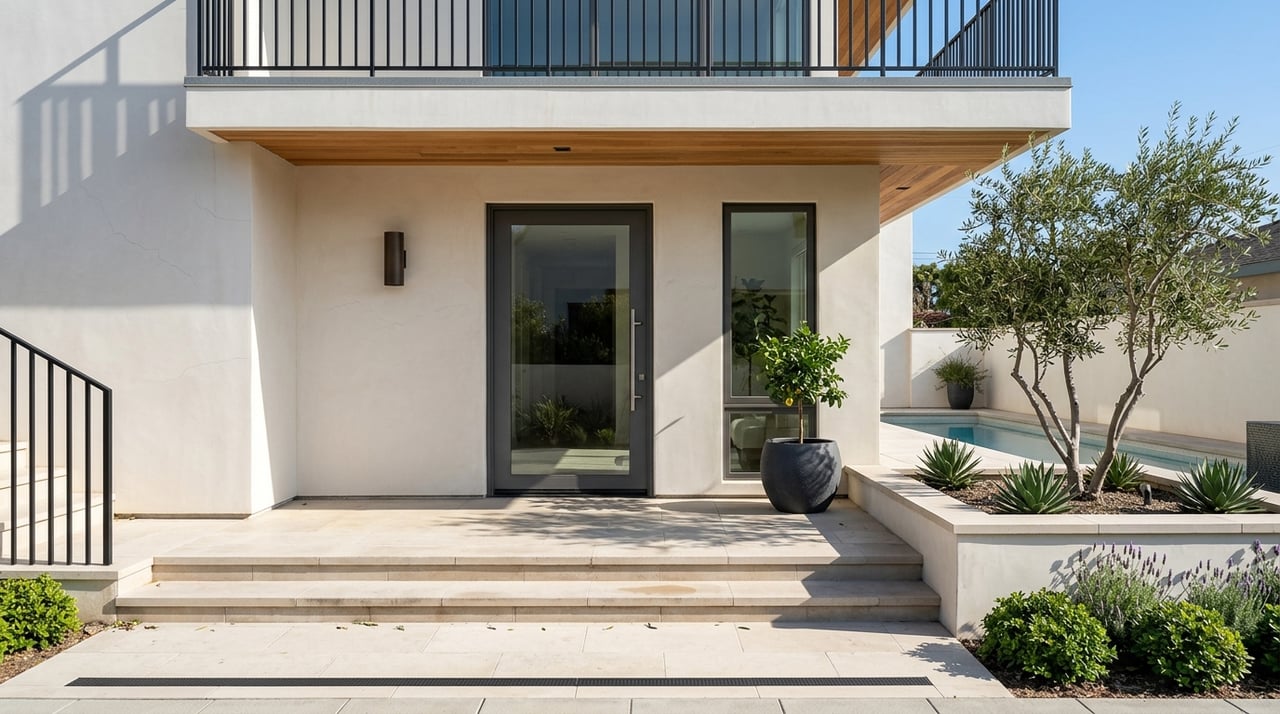
Outside, plan a simple curb-appeal refresh. Tidy beds, trim hedges, and consider drought-tolerant touchups that photograph well. Inside, stage the rooms that sell the story: living spaces, kitchen, and the primary suite. Professional staging installation commonly takes a few days once furniture is ready.
Santa Barbara buyers expect strong visuals and an easy move-in path. Lean into fresh, neutral finishes and uncluttered spaces so your photography shines, an approach that also aligns with Bankrate’s guidance on preparing a home to sell.
Once the house is dialed in, schedule photography, floor plans, and video or 3D tours. Most shoots wrap in a day. Drone photos add impact for coastal, vineyard, or hillside views, but the pilot must hold an FAA Part 107 certificate and follow airspace rules. Build this into your schedule by booking a certified pilot and allowing time for authorizations as outlined by the FAA’s commercial drone guidance.
Plan around local weather. Santa Barbara’s afternoon sundowner winds can be strong, which affects drone work, outdoor styling, and even twilight shoots. Watch forecasts and avoid high-wind windows, a timing tip supported by NOAA research on regional wind events.
The first 10–14 days are usually your highest-traffic window, especially when photos and marketing are fresh. Aim to launch when your listing is fully ready and your disclosures are assembled. Your agent will gather feedback from early showings and adjust strategy if needed in that first week or two.
Coordinate showings, open houses, and digital promotions to hit the right audience. If you plan a twilight open house, verify wind forecasts and prep outdoor styling accordingly.
Once you accept an offer, escrow opens and earnest money is deposited based on the contract. Many California forms give buyers about 17 days for investigations unless otherwise negotiated, with separate periods for appraisal and loan approval on financed deals. Discuss any requested extensions early so your closing stays on track.
For financed purchases, appraisals and underwriting often land within the first 1–3 weeks after acceptance. Typical financed escrows in California run about 30–45 days from acceptance to close, while cash deals can move faster if title is clear. These pacing norms are consistent with practical timelines described in escrow process overviews for Southern California.
In the last week, expect final walkthroughs, signing, and funding. Recordation with the County typically follows shortly after funds are released by the lender.
Wildfire risk is top of mind for many Santa Barbara buyers. If your property lies within a Very High Fire Hazard Severity Zone or other mapped area, make sure your NHD is complete and be ready to discuss defensible space or mitigation work you have done. Cal Fire and local agencies updated fire hazard maps in recent years; you can find local context in county fire hazard communications.
Coastal properties also raise questions about permit history for exterior work or bluff areas. Gather any Coastal Development Permits, geotechnical studies, or engineer letters you have so your agent can answer buyer questions quickly. Early documentation builds trust and can reduce renegotiation risk.
A clear plan saves time, protects your price, and helps you close smoothly. If you want concierge-level coordination from prep to sold, connect with a local expert who manages vendors, disclosures, marketing, and escrow milestones for you. Reach out to Cheylin Mackahan to map your timeline and launch date.
Stay up to date on the latest real estate trends.
Cheylin's extensive work history in a multitude of environments makes her an asset to any transaction. Cheylin attests her success and drive in Real Estate to her wonderful clients; becoming trusting, lasting, fulfilling relationships far beyond the transaction.
Get In Touch To Learn More

801 Chapala St Santa Barbara, CA 93101