Ever wonder if a wine country retreat could fit your life without creating extra stress? If Los Olivos has caught your eye, you are not alone. Many buyers want a second home that blends small‑town charm, vineyards, and room to breathe with easy access for weekend trips. In this guide, you will learn how to choose the right property for your lifestyle, what to budget, what to inspect on rural homes, how financing and rentals work, and how to shop efficiently even if you live out of the area. Let’s dive in.
Why choose Los Olivos
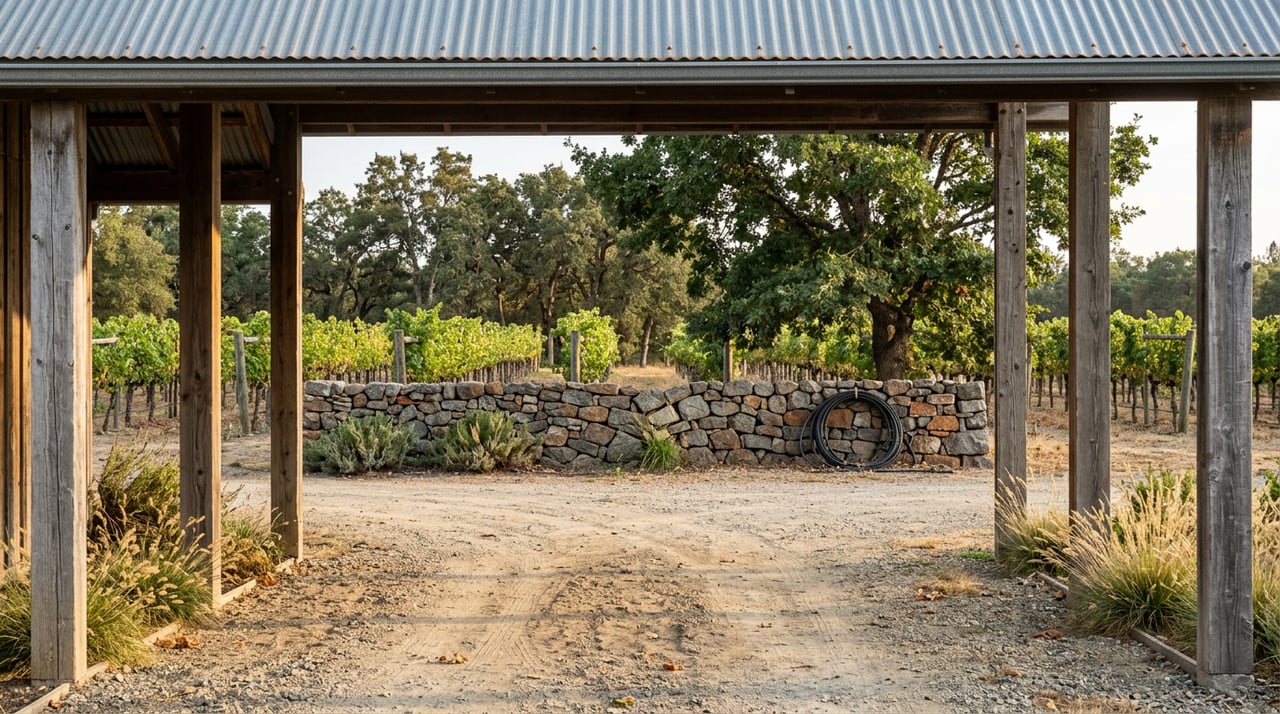
Los Olivos sits in the Santa Ynez Valley and is known for tasting rooms, vineyards, boutique shops, and a relaxed rural feel. You will also hear buyers talk about nearby Solvang and Santa Ynez when comparing options.
Housing here ranges from historic cottages and village homes to remodeled ranch properties. You can also find small acreage with vines or pasture and a handful of larger estates. Expect a mix of older buildings and updated properties adapted to second‑home use, which makes due diligence key.
Match home type to your stay length
Before you shop, get clear on how you plan to use the home.
Weekend use
If you will visit for short stays, you may prioritize walkability to tasting rooms, simple systems, low‑maintenance landscaping, and secure storage for personal items. A smaller footprint with easy upkeep can keep your trips focused on relaxing.
Longer or seasonal stays
If you plan to stay for weeks at a time, look for a full‑service kitchen, larger storage, laundry setup, and more robust HVAC and water systems. You may want more acreage for privacy or space for guests. Think about utilities, internet, and work‑from‑home needs.
Practical differences to plan for
- Systems and amenities: Weekend homes can be simpler. Longer stays often need stronger HVAC, water capacity, and storage.
- Supplies and furnishings: Short‑stay homes aim for low maintenance. Longer stays benefit from durable furnishings and more pantry and closet space.
- Services: Trash, irrigation, and regular check‑ins should match how often you will be away.
What to budget for a second home
Create a realistic budget that covers recurring and one‑time costs.
Recurring costs
- Mortgage: Second‑home loans are underwritten differently than primary residences.
- Property tax: In California, Proposition 13 sets a baseline around 1 percent of assessed value plus local assessments. A purchase can trigger supplemental assessments.
- Insurance: Wildfire exposure can affect availability and premiums.
- Utilities: Expect water costs that may involve a private well, electricity, septic maintenance, and propane on rural parcels.
- Maintenance: Plan for landscaping, pool or spa care, septic pumping, roof and gutter cleaning, and routine inspections.
- HOA fees: If applicable.
- Property management or caretaker: Helpful when you are away.
- Short‑term rental costs: If you plan to rent, budget for local transient occupancy tax compliance and any required licenses.
One‑time or irregular costs
- Major systems: Septic repair or replacement, well pump work, roof or driveway projects.
- Wildfire mitigation: Defensible space, vegetation management, and ember‑resistant upgrades.
- Rental compliance: Any retrofits required for short‑term rental rules.
Pro tip: Contact an insurance broker early to confirm coverage and conditions based on the property’s fire risk profile.
Insurance and wildfire readiness
Wildfire risk is part of the local environment. Many properties require defensible space and vegetation management, and insurance carriers weigh these factors when underwriting. It is smart to confirm where a property sits relative to fire hazard maps and to understand any local clearance requirements. Ask about ember‑resistant vents, roofing materials, and access for emergency services. These details can influence both safety and insurability.
Rural systems you should inspect
Second homes in and around Los Olivos often include rural systems. Make these part of your due diligence.
Water supply and quality
- If there is a well, test yield, pump age, depth, and water quality. Review any shared well agreements.
- If municipal water is available, confirm connection details and costs.
Wastewater and septic
- Check system age, capacity, location, and maintenance history. Ask about last pumping and any county permits.
Access, roads, and easements
- Confirm who maintains private roads or shared driveways. Review access easements and seasonal accessibility.
Fire risk and defensible space
- Verify local fuel management requirements and current defensible space conditions.
Structure and systems
- Review roof, foundation, plumbing, HVAC, insulation, and window and door sealing. Consider how the home handles periods of vacancy.
Utilities and connectivity
- Check internet and cell coverage. Ask about power reliability, propane tanks, solar or batteries, and any backup generator.
Zoning and occupancy
- Confirm county zoning for allowed uses. Review any deed restrictions, CCRs, or HOA rules that limit rentals or occupancy.
Environmental or agricultural items
- If vines or agricultural designations are involved, verify water rights, irrigation infrastructure, and any agricultural easements.
Title and survey matters
- Confirm property lines, recorded easements, and utility corridors. This is especially important on acreage.
Renting your second home
Short‑term rental rules are administered by Santa Barbara County and can vary by area. If you plan to rent, verify current county regulations, zoning, and registration requirements. Transient occupancy tax typically applies. HOA rules may restrict or prohibit rentals. Specialized insurance or policy endorsements are often required for STR activity. Check all of this before you write an offer.
Financing and tax basics
Lenders treat second homes differently than primary residences. Many second‑home loans are conventional and may require a larger down payment, often in the 10 to 20 percent range, along with proof of reserves. Underwriting usually expects some owner occupancy during the year and may apply distance or availability criteria. FHA and VA options are designed for primary residences in most cases.
On taxes, a purchase can trigger supplemental property tax assessments. If you rent the home, rental income is taxable, and you may deduct ordinary rental expenses and depreciation under applicable rules. The primary‑residence capital gains exclusion generally does not apply to second homes unless the property later becomes your primary residence and meets occupancy tests. Speak with your mortgage and tax advisors early so your plan and budget are aligned.
Shop efficiently when time is limited
If you live out of the area, a focused process keeps you from wasting trips.
Before you visit
- Get lender pre‑approval or verify cash readiness.
- Define non‑negotiables and tradeoffs, such as number of bedrooms, proximity to town, acreage, and rental potential.
- Ask your agent to curate a shortlist with virtual tours, recorded walkthroughs, floor plans, and any available reports or comps.
- Map a route that clusters homes to reduce travel time.
During a showing day
- Use a timed agenda. Aim for three to four homes per half day.
- Bring a systems checklist and take video notes.
- Ask for a neighborhood driving loop to gauge distance to tasting rooms, groceries, medical, and emergency services.
Walkthrough checklist
- Exterior: Driveway condition, parking and turnaround, roof and gutters, drainage, defensible space, outbuildings and fences.
- Systems: Water source, visible well or municipal infrastructure, septic access and alarms, HVAC and water heater age, electrical panel and any solar.
- Interior: Signs of vacancy, windows and sealing, kitchen layout and storage, heating and cooling performance.
- Practical use: Sleeping capacity, guest flow, privacy, storage for owner items, cell and internet signal.
- Documents to request: Seller disclosures, well and septic records, permits for renovations, pest reports, HOA or CCRs, and recent utility bills.
Upkeep when you are away
Pick a management model that fits your schedule and risk tolerance.
- Self‑management: Lower cost if you visit often and can handle vendors and check‑ins.
- Local property manager: Cleaning, landscaping, routine inspections, vendor coordination, guest management if you rent, and emergency response.
- Caretaker or house sitter: A reliable local can keep the home ready for your arrival.
- Concierge services: Seasonal prep, pre‑arrival provisioning, and light staging.
- Technology: Smart locks, cameras, leak and temperature sensors, and automation for alerts and remote control.
- Preventive maintenance: Seasonal checks for HVAC and irrigation, winterizing where needed, and scheduled septic and well servicing.
How I support out‑of‑area buyers
You should not have to fly in for every showing or scramble to schedule vendors. Here is how I make the process smooth and efficient:
- Curated shortlists: I pre‑screen homes against your criteria and deliver ranked options with pros and cons.
- Virtual touring: Live video tours you can direct, plus guided recordings and drone footage for acreage and approach.
- In‑person previewing: I preview homes on your behalf and send detailed video briefings, system notes, and prioritized recommendations.
- Due diligence coordination: I schedule well, septic, and water testing, plus specialized inspections for wildfire mitigation or hillside conditions when needed.
- Vetted local network: I connect you with lenders, inspectors, property managers, landscapers, arborists, septic and well contractors, and insurance brokers familiar with wildfire underwriting.
- Management planning: I introduce qualified property managers or caretakers, explain service tiers, and help set up remote monitoring and maintenance contracts.
- Transaction and closing: I coordinate remote escrow, recommend title teams that support remote signings, and outline document workflows and notary or power‑of‑attorney needs.
- Clear communication: You get regular updates, next‑step checklists, and decision timelines so you can act with confidence.
Your next step
If Los Olivos feels like the right fit, you deserve a plan that protects your time and your investment. With concierge support and local insight, you can focus on lifestyle while I handle the logistics. Ready to start a curated search or line up a focused tour day? Let’s talk. Connect with Cheylin Mackahan.
FAQs
Is Los Olivos a good place for a second home?
- Yes. The area offers tasting rooms, vineyards, boutique shops, and a rural wine‑country feel that attracts weekend and seasonal buyers looking for low‑density living.
What ongoing costs should I expect for a Los Olivos second home?
- Budget for mortgage, property tax at roughly 1 percent of assessed value plus local assessments, insurance affected by wildfire risk, utilities, maintenance, and any HOA or management fees.
How do short‑term rental rules work in Santa Barbara County?
- Rules and zoning vary by area, and transient occupancy tax registration is typically required. Verify county regulations and any HOA restrictions before buying.
What should I check on a property with a well and septic?
- Test well yield and water quality, confirm pump age and depth, review shared agreements, locate the septic system, check capacity and service history, and confirm county permits.
Can I finance a second home and what down payment is typical?
- Yes. Lenders treat second homes differently and often expect 10 to 20 percent down plus reserves, with conventional loans commonly used.
What are the biggest risks for Los Olivos properties?
- Wildfire exposure and insurance availability, water and well reliability, septic condition, and access or maintenance on private roads are key areas to assess.
How can I shop efficiently if I live out of the area?
- Get pre‑approved, define must‑haves, request curated shortlists and virtual tours, cluster showings by location, bring a checklist, and use an agent who can preview and coordinate inspections.