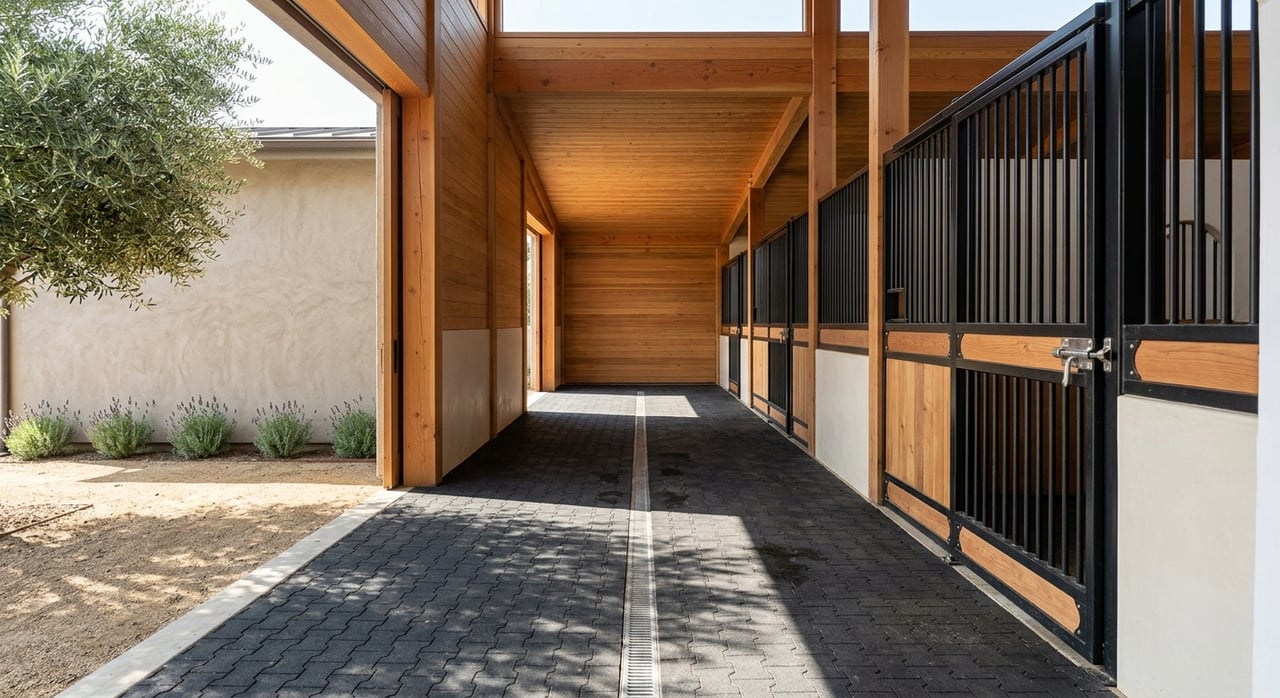
What to Know About Santa Ynez Equestrian Real Estate
May 7, 2026
May 7, 2026
If you are searching for an equestrian property in Santa Ynez, it is easy to get distracted by pretty barns, open views, and total acreage. But the real value of a horse property often comes down to something more practical: whether the land, layout, and legal use actually support the way you want to live and ride. When you understand what makes a property functional, permitted, and easier to manage day to day, you can make a much more confident decision. Let’s dive in.
Santa Ynez Valley is known for its scenic pastoral character and strong agricultural tradition. In Santa Barbara County, that rural identity shapes how horse properties are used, improved, and evaluated over time.
That matters because an equestrian property here is not just about the house. It is also about land use, zoning, infrastructure, and how well the site works for horses, equipment, and everyday routines.
One of the biggest misconceptions about horse properties is that more acreage always means better function. In reality, usable acreage is often more important than the total size of the parcel.
A property may look spacious on paper, but the daily experience can feel very different if the land is steep, awkwardly shaped, poorly drained, or difficult to access with trailers and equipment. A more workable layout can be far more useful than extra land that does not support turnout, circulation, or horse care.
Rural appraisal guidance also points to a simple framework: value and use depend on what is legally possible, physically possible, and financially feasible. For you as a buyer or seller, that means the best horse properties are usually the ones where the land and improvements make practical sense together.
A functional equestrian setup often includes:
When those elements work together, the property tends to feel easier to operate and easier to understand for a future buyer.
A beautiful barn is a plus, but appearance should not be the only thing you evaluate. The way a barn functions every day matters just as much.
University extension guidance notes that horse barns need good air exchange to remove moisture, reduce condensation, and maintain fresh air. Barn placement also matters, especially when it takes advantage of prevailing winds.
For outdoor work areas, footing and drainage deserve close attention. High-traffic spots like gates, shelters, and feeding areas can quickly become muddy and hard to manage if the site does not handle water well.
As you tour properties, pay attention to:
These details affect your day-to-day experience more than a polished first impression ever will.
Water is one of the most important parts of any horse property. Each horse may require 8 to 12 gallons of water per day, so dependable water access is not optional.
In Santa Ynez, this is especially relevant because horse properties sit within the Santa Ynez River Valley Groundwater Basin, which covers 204,000 acres. The basin report also notes average precipitation of about 17 inches, with recharge tied to precipitation infiltration and stream infiltration.
For a buyer, that means you should look beyond whether a property simply has a well or water connection. You want to understand whether the source is reliable for horse care, wash areas, irrigation, and the overall demands of the site.
Some practical questions include:
A property may look ready for equestrian living, but water capacity and placement often tell the real story.
On many rural properties, wastewater is handled by an onsite wastewater treatment system, commonly called a septic system. This usually applies when a parcel does not have access to public sewer.
For horse-property buyers, septic is part of the bigger infrastructure picture. County guidance shows that water systems may require plot plans showing wells, nearby contamination sources, and well logs or construction plans, which is why records matter during due diligence.
In practical terms, you want to verify that the property’s infrastructure supports the intended use. A horse property that is easy to enjoy usually has systems that are documented, understandable, and sized appropriately for how the site functions.
In Santa Barbara County, not every horse-related use is treated the same way. This is one of the most important things to understand before you buy.
The County distinguishes between a private stable and an equestrian facility. A private stable is an accessory building for horses kept for private use and not for remuneration, hire, or sale. An equestrian facility is a commercial boarding-or-hire use that can include riding schools, exhibition facilities, barns, stables, corrals, and paddocks tied to those commercial activities.
That difference matters because it can change what is allowed on the property and what level of review may be required.
Animal-keeping rules can vary by zone. Agricultural zones such as AG-I and AG-II show animal keeping as an allowed use, while some residential zones only allow horses up to parcel-size-based thresholds.
The County code also indicates that some horseback riding operations may be possible with a Land Use Permit, depending on the site and proposed use. That is why you should verify the parcel itself instead of relying on assumptions or past marketing language.
Santa Barbara County provides zoning maps, a Find My Zoning tool, and permit-history lookups by parcel. Those tools are the best starting point for confirming whether a barn, arena, turnout area, or boarding setup is permitted, grandfathered, or may need review before future improvements.
A horse property may include barns, fencing, arenas, shelters, and other improvements that look established. But established does not always mean permitted or finaled.
Before you move forward, it is smart to confirm whether key equestrian structures were properly approved. This can help you avoid surprises if you plan to remodel, expand, or change how the property is used later.
For sellers, this matters too. A property with clearer records and a more straightforward improvement history is often easier for buyers to evaluate and easier to market with confidence.
Drainage may not be the first thing you notice on a showing, but it can shape how the property feels every day. Poor drainage can turn gates, shelters, and feeding areas into constant maintenance zones.
Horse-farm guidance recommends placing buildings, storage areas, feeding zones, and shelters on higher ground and using drainage solutions to protect high-traffic areas. In real life, that can mean less mud, less wear on footing, and a smoother routine year-round.
For resale, drainage also matters because it helps the next buyer see the property as practical, not just picturesque.
For many buyers, Santa Ynez is appealing not only because of the land but also because of the riding lifestyle. The Santa Barbara Ranger District identifies horseback riding and camping opportunities, including riding opportunities in the Lower Santa Ynez Recreation Area.
That said, nearby riding access is not the same as private trail frontage or deeded access. If trail access is a major priority for you, be sure to confirm whether access is public, deeded, or simply close by.
This is an area where clear expectations matter. A property can still be a great fit if the riding options are nearby rather than directly attached, but you will want to know exactly what you are buying.
The horse properties that tend to hold broad appeal are usually the ones that are easy for the next owner to understand and operate. Buyers often respond well to a property when the legal use is clear, the improvements make sense, and the layout feels functional from the start.
In other words, resale value is not only about curb appeal. It is often supported by permitted improvements, reliable water, practical circulation, workable turnout, and a barn setup that fits the site.
If you are selling, that means it helps to present your property through the lens of usability, not just aesthetics. If you are buying, it means you should think ahead to how the next buyer will view the same features.
Whether you are buying your first equestrian property or evaluating a move within the Valley, these questions can help guide your due diligence:
These questions can help you look past the surface and understand how the property will actually function over time.
If you are exploring equestrian properties in Santa Ynez, local guidance can make the process much clearer. Cheylin Mackahan offers hands-on, concierge-style support to help you evaluate properties, navigate due diligence, and make sense of Santa Barbara County’s unique rural market.
Stay up to date on the latest real estate trends.
Cheylin's extensive work history in a multitude of environments makes her an asset to any transaction. Cheylin attests her success and drive in Real Estate to her wonderful clients; becoming trusting, lasting, fulfilling relationships far beyond the transaction.
Get In Touch To Learn More
801 Chapala St Santa Barbara, CA 93101