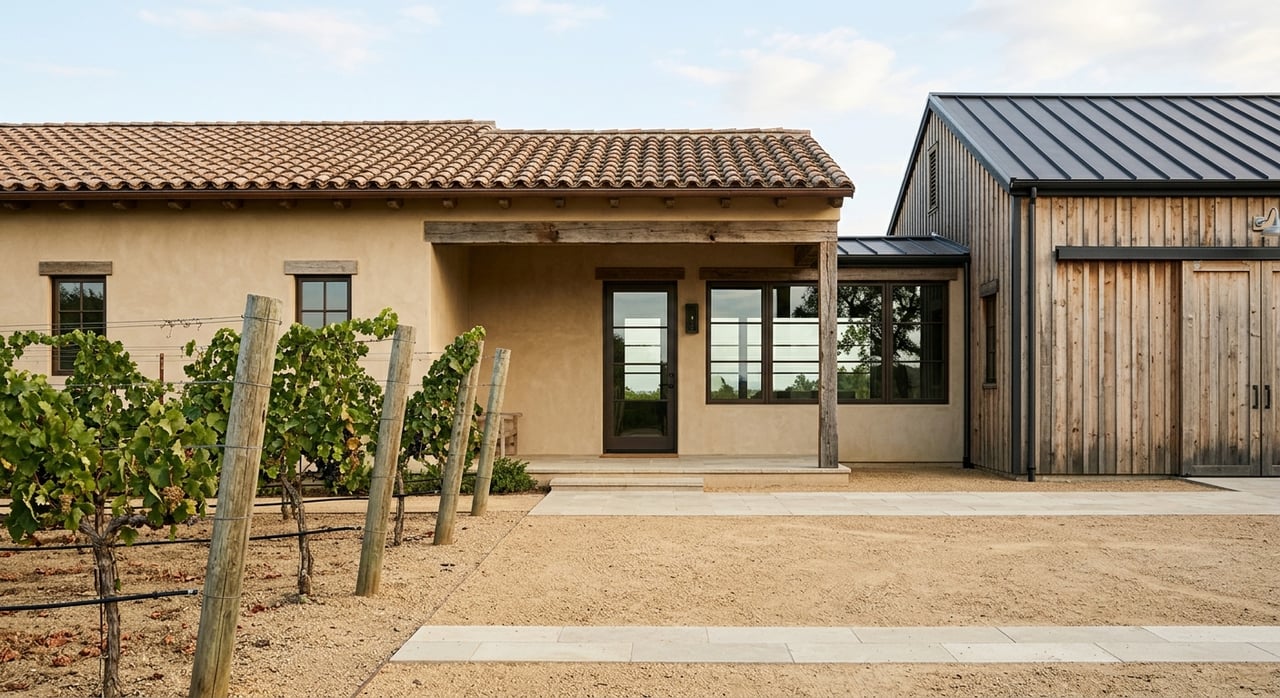
Smart Strategy to Sell Your Santa Ynez Ranch or Vineyard
April 16, 2026
April 16, 2026
Selling a Santa Ynez ranch or vineyard is not the same as selling a standard home. Buyers are often looking at the land, the operation, the permits, the water, and the long-term use potential all at once. If you want a strong result, you need more than beautiful photos. You need a smart, well-documented strategy that tells the full story of the property. Let’s dive in.
Santa Ynez sits within one of California’s most established wine regions. The Alcohol and Tobacco Tax and Trade Bureau recognizes the Santa Ynez Valley as an American Viticultural Area, meaning the area is defined by specific geographic and climate features that affect grape growing and wine origin.
That matters when you sell. A buyer is not just evaluating square footage or curb appeal. They may also be weighing AVA placement, elevation, soil conditions, grape mix, water access, road systems, and how the property fits into the broader Santa Barbara County wine economy.
The local industry is substantial. According to Santa Barbara Vintners, the county includes 7 AVAs, more than 300 wineries and tasting rooms, 11,168 bearing acres of wine grapes, and $98.6 million in 2023 wine-grape value. The group also estimates a $1.7 billion annual wine-industry impact and more than 10,000 jobs.
That scale helps explain why ranch and vineyard properties in Santa Ynez are a specialty market. Your listing needs to position the property as a land and operating asset, not just a residence with acreage.
Before your property goes live, your first priority should be records. Well-organized documentation helps buyers evaluate the opportunity faster and with more confidence.
Santa Barbara County offers property information tools that include parcel details, maps, permit history, zoning lookup, and other real estate services. These public resources signal how important verified records are for rural and agricultural property sales.
At a minimum, you should be prepared to organize:
When a buyer asks a question, quick access to documentation can keep momentum moving. It also reduces the chance that a promising deal slows down during due diligence.
If your property is in an Agricultural Preserve or subject to a Williamson Act contract, that needs to be addressed clearly up front. Santa Barbara County maintains Agricultural Preserve and Williamson Act resources, and UC ANR explains that these contracts generally restrict land to agricultural and open-space use while often lowering property tax assessments because they are based on farming or open-space value instead of full market value.
For many buyers, this is not a minor detail. It can affect taxes, land-use expectations, and long-term planning. A clear explanation early in the process helps set accurate expectations.
If your ranch or vineyard has approvals for expanded uses, those can be very important to value. Santa Barbara County’s Agricultural Enterprise Ordinance covers categories such as farmstays, campgrounds, small-scale special events, educational experiences, low-impact camping areas, and small-scale agricultural processing.
If any of these approvals apply to your property, make sure they are documented and verified close to list date. Entitlements can expand the property’s appeal, but they need to be presented accurately.
If the property includes producing vineyard acreage, buyers will usually want more than a land survey and a brochure. They often want operating history.
Santa Barbara County’s agricultural commissioner publishes annual crop reporting materials, including wine-grape reporting that tracks planted acres, harvested acres, tons, and value by grape type. Those resources show the kind of operating information that matters in this market.
Useful vineyard records may include:
The goal is simple. You want a buyer to understand not just what the property looks like, but how it functions.
For rural property, water is always central to the conversation. UC ANR’s vineyard site-assessment guidance notes that water access and rights are essential to vineyard needs and recommends a title search to identify existing water rights and permits.
The same guide also highlights how road and driveway systems affect access, drainage, runoff, and sometimes permitting. In other words, buyers are not only asking whether a property is attractive. They are asking whether the property works.
Before listing, try to organize clear information on:
These details are often part of a buyer’s early screening process. When they are easy to review, your property is easier to take seriously.
Not every pre-sale project deserves your time or money. For Santa Ynez ranches and vineyards, practical improvements often matter more than cosmetic upgrades.
Wildfire readiness is one of the clearest examples. CAL FIRE defensible space guidance and the Santa Barbara County Fire Safe Council both emphasize the importance of reducing hazards near structures and maintaining access routes for emergency response.
Visible, useful upgrades may include:
These improvements can help a property present as better maintained and more resilient. They also speak directly to concerns many rural buyers already have.
The Office of the State Fire Marshal notes that fire-resistant construction, roofing, and ignition-resistant details are critical in reducing losses in wildfire-prone areas.
That is why buyers may place more value on a newer roof, improved vents, utility reliability, backup power, water storage, and maintained outbuildings than on purely decorative updates. In a ranch or vineyard sale, function often supports value more directly than finish selection.
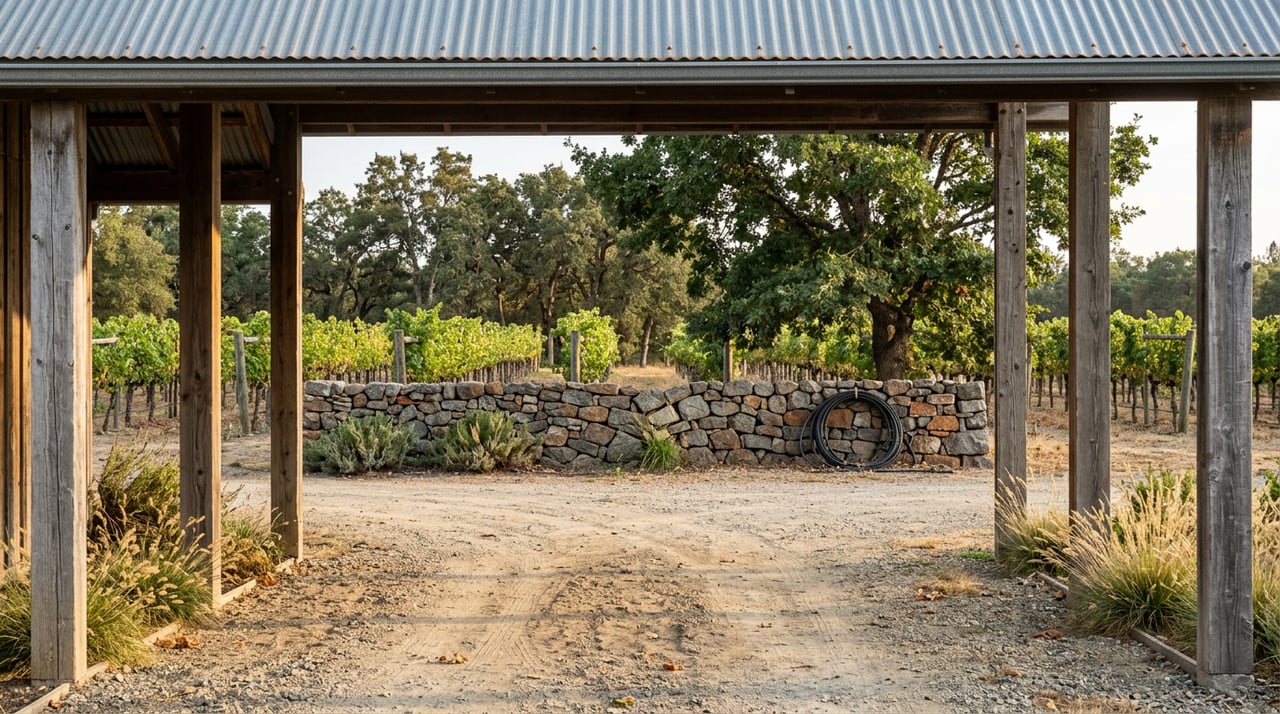
For vineyard property, land performance matters. UC ANR’s site-assessment guide explains that soil fertility, permeability, and water-holding capacity can influence yields and fruit quality, while erosion, road systems, and water use can affect costs and permitting.
If your irrigation systems, drainage features, trellis systems, and access roads have been maintained, that is worth documenting. These are the kinds of details sophisticated buyers often notice quickly.
A strong Santa Ynez ranch or vineyard listing should do more than describe the house and acreage. It should explain why this specific property matters in this specific location.
The most effective marketing packages usually highlight:
This approach fits how the region itself is defined. The AVA framework is based on place, origin, and distinguishing geographic features, so your marketing should reflect that same logic.
Santa Ynez benefits from a deep wine-country ecosystem. The area is promoted as the heart of Santa Barbara wine country, with communities including Ballard, Buellton, Los Alamos, Los Olivos, Santa Ynez, and Solvang, and the broader region already has strong tourism and industry visibility.
That means broad residential exposure alone may not be enough. A ranch or vineyard sale often benefits from targeted positioning to audiences interested in wine-country, agricultural, land, luxury, and private opportunities.
For sellers, that is where a thoughtful marketing plan matters. You want polished presentation, strong syndication, and a clear property narrative that reaches the right buyers instead of only the widest audience.
The best listing strategy also prepares for the questions serious buyers are likely to ask. Many of those questions will center on taxes, water, access, approvals, wildfire preparedness, and vineyard performance.
When those answers are organized in advance, the sale process tends to feel more professional and less reactive. That can help protect value and reduce friction once interest starts building.
If you are thinking about selling a Santa Ynez ranch or vineyard, the right preparation can shape everything from pricing and positioning to the quality of buyer interest you attract. When your property is presented with clear records, a strong land story, and a smart market strategy, you give buyers more confidence from day one. If you want a thoughtful, concierge-level plan for your sale, connect with Cheylin Mackahan.
Stay up to date on the latest real estate trends.
Cheylin's extensive work history in a multitude of environments makes her an asset to any transaction. Cheylin attests her success and drive in Real Estate to her wonderful clients; becoming trusting, lasting, fulfilling relationships far beyond the transaction.
Get In Touch To Learn More

801 Chapala St Santa Barbara, CA 93101