Los Olivos Land Buying Guide for Wine Country Parcels
May 14, 2026
May 14, 2026
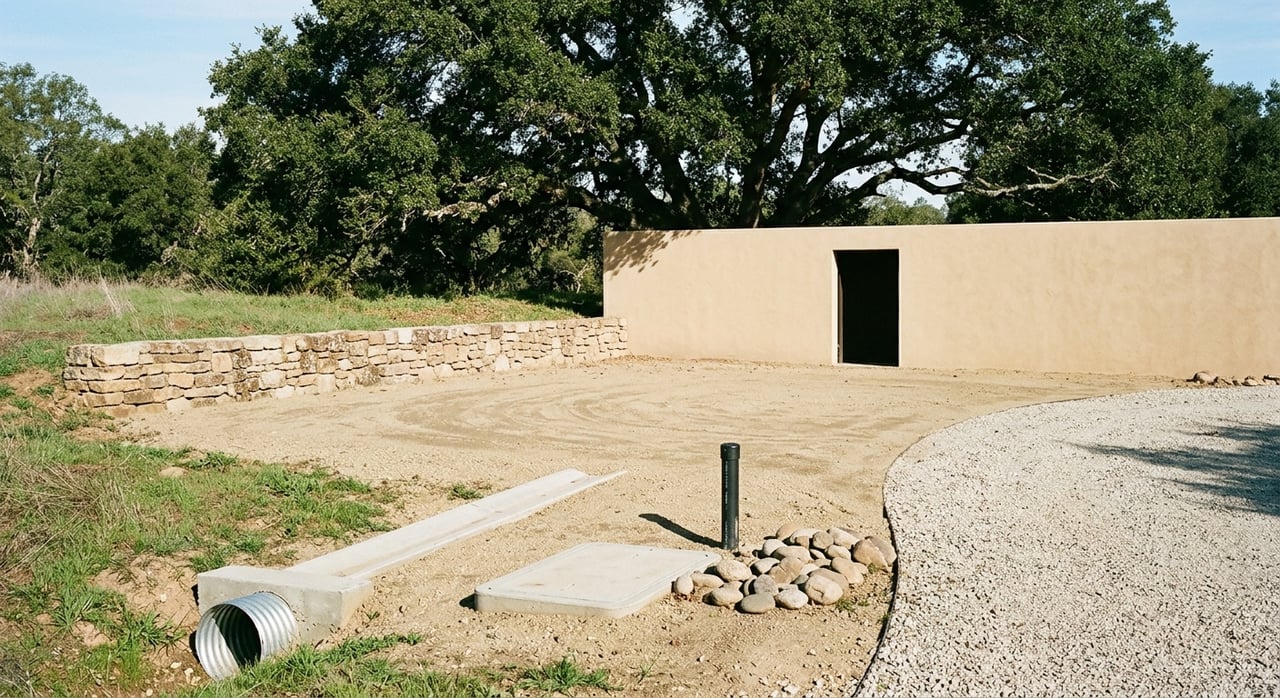
Buying land in Los Olivos can feel exciting right up until the big questions start piling up. Can you build on it, drill a well, install septic, plant vines, or even reach the property with legal access that works for future use? If you are thinking about purchasing land in Los Olivos wine country, this guide will help you focus on the checks that matter most so you can move forward with more clarity and fewer surprises. Let’s dive in.
Los Olivos sits within Santa Barbara County’s Santa Ynez Valley Planning Area, which includes Los Olivos, Santa Ynez, Ballard, and surrounding rural and agricultural land. The County describes the valley as having scenic pastoral character and a strong agricultural tradition, which helps explain why buyers are often drawn to the area for lifestyle, open space, and long-term land ownership.
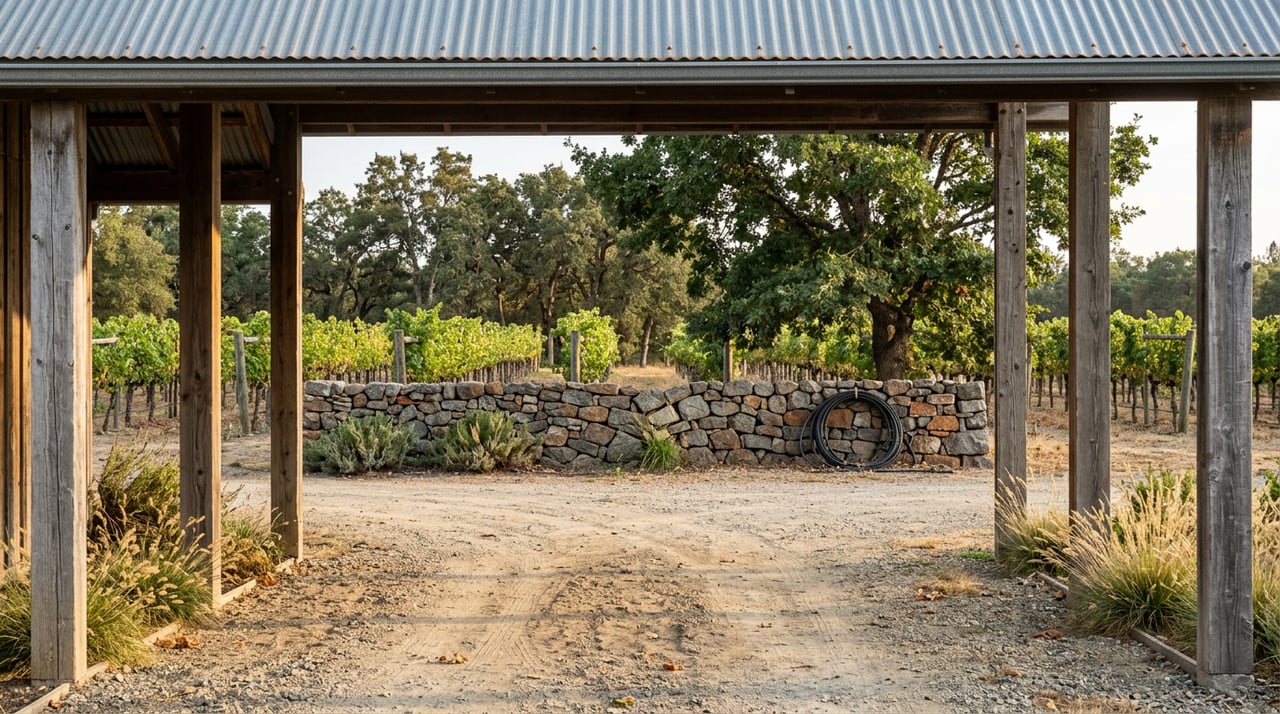
Los Olivos also has strong name recognition in wine country. The Los Olivos District American Viticultural Area covers 22,820 acres and sits entirely within the Santa Ynez Valley and Central Coast AVAs. That can make land here appealing for vineyard-minded buyers, but AVA status alone does not confirm whether a specific parcel is buildable, plantable, or ready for your exact plans.
Before you get attached to a listing description, verify the parcel through Santa Barbara County tools. The County provides resources like Find My Zoning, Parcel Map Lookup, parcel details, permit history by parcel, and zoning ordinances.
This step matters because vacant land value often depends on what the parcel is actually entitled for, not what someone hopes it can become. If you are buying from out of the area, this kind of early research can save time, money, and frustration.
A parcel may look simple on paper but still carry limits tied to zoning, prior approvals, or site conditions. Starting with County records gives you a factual baseline before you spend money on inspections and consultants.
In Los Olivos, agricultural land may be part of Santa Barbara County’s Agricultural Preserve Program. The County ties this category to the Williamson Act and long-term conservation of agricultural and open-space lands.
That does not automatically make a parcel a bad fit. It does mean you need to understand the rules attached to the property before assuming you can adjust boundaries, change use patterns, or approach the land like a standard residential lot.
For agricultural-zoned parcels under an Agricultural Preserve Contract, lot line adjustments face meaningful rules. County standards require findings such as no net decrease in restricted acreage, at least 90% of the former contract land remaining under the new contract or contracts, and parcel sizes large enough to sustain agricultural use.
In practical terms, if you are buying land with future flexibility in mind, preserve status should be part of your earliest due diligence. It can shape how the property is used and how realistic future parcel changes may be.
In rural land purchases, water is not something to treat as a later detail. Santa Barbara County subdivision standards are designed to ensure an adequate potable water supply where no existing water system is available.
If a lot is created without a community water system or approved water supply to each lot, the applicant must notify the buyer in writing that there is no approved water supply and that developing a private supply is at the buyer’s own risk and expense. That is a major reminder to get clear, written evidence of the water source before you move too far down the path.
The Santa Ynez River Water Conservation District also plays an important role locally. The District requires owners and operators of water-producing facilities within the District to register wells and file semi-annual water-production statements, and it notes that the Santa Ynez-Solvang-Los Olivos area has Improvement District No. 1 to acquire and serve water in the area.
If you are thinking about a home site, agricultural improvements, or vineyard use, water planning should happen early. In Los Olivos, water feasibility is central to land value and usability.
Where there is no public sewer, Santa Barbara County Environmental Health says an Onsite Wastewater Treatment System, generally a septic system, is used. County subdivision rules add that individual sewage systems are reviewed parcel by parcel and may require percolation tests, soil and groundwater review, and Environmental Health approval before a lot is considered an approved building site.
That means you should never assume a beautiful parcel automatically supports a home just because nearby properties are developed. Septic feasibility depends on the specific site conditions of that parcel.
For many buyers, this is one of the most important pre-purchase checks. If your vision includes a primary residence, guest structure, or estate-style improvements, septic feasibility needs to be confirmed as early as possible.
A land purchase can look perfect from the road and still have access issues in the record. Santa Barbara County subdivision standards require rights-of-way for public utility purposes in approved locations and widths, and they also require access rights-of-way where needed for public purposes such as flood-control maintenance.
The County also says a parcel should be served by an existing private road that meets fire-agency roadway standards and connects to a public road or right-of-way easement, or otherwise have legal access that meets those standards. In plain terms, you want to know not just whether you can physically reach the parcel, but whether access is legal, recorded, and sufficient for future use.
For raw or semi-improved land, access is often the first practical screen. If access is weak or unclear, everything else becomes harder.
Not every scenic parcel is equally developable. Santa Barbara County standards say developable parcels should avoid slopes of 30% or greater, and they identify fire, flood, geologic, and other hazards as key constraints.
The County’s special-treatment-area policy also explains that steep terrain, combustible vegetation, and poor site design can create fire, flood, erosion, and sewage-disposal problems. That is why topography and hazard review should be part of your decision before you build a vision around the land.
In Los Olivos, a parcel can be attractive from a lifestyle standpoint and still require careful evaluation from an engineering and land-use standpoint. The more rural the property, the more important these checks become.
The Los Olivos AVA and the valley’s agricultural setting can make vineyard ownership feel like a natural goal. Still, the practical question is usually not just whether land sits in wine country, but whether the parcel can support your intended combination of home, agricultural use, and improvements.
The County’s agricultural framework and local water realities show that vineyard potential has to be evaluated alongside water supply, access, septic feasibility, slope, agricultural viability, habitat impacts, and hazard exposure. The Santa Ynez River Water Conservation District’s reporting materials even include vineyards among crop categories, which is a useful reminder that irrigation demand belongs in your planning from day one.
For many buyers, the better starting question is this: can the parcel support a single estate home plus agricultural improvements? That framing is often more useful than assuming future subdivision or a larger development path.
When you are evaluating land in Los Olivos, the order of your research matters. Based on County standards, the most practical sequence is usually to review access first, then water, then septic, then slope, drainage, and hazard constraints.
That order helps you identify whether a parcel is simply appealing or truly feasible. It also gives you a clearer path for deciding where to invest time and money during escrow.
Land purchases can be more complex than buying an existing home, especially in a rural market like Los Olivos. The right process is not about rushing to a yes. It is about asking better questions early, understanding County and district requirements, and building your decision on verified information.
If you are considering land in Los Olivos wine country, working with a local agent who understands Santa Barbara County micro-markets can help you stay organized and realistic. Whether you are local or buying from out of the area, strong coordination and clear communication can make a complicated transaction feel much more manageable.
If you want help evaluating land opportunities in Los Olivos or anywhere in Santa Barbara County, connect with Cheylin Mackahan for concierge-level guidance tailored to your goals.
Stay up to date on the latest real estate trends.

Cheylin's extensive work history in a multitude of environments makes her an asset to any transaction. Cheylin attests her success and drive in Real Estate to her wonderful clients; becoming trusting, lasting, fulfilling relationships far beyond the transaction.
Get In Touch To Learn More

801 Chapala St Santa Barbara, CA 93101